What is a balance bike?

A balance bike has no pedals and no stabilisers. Children push along with their feet, lift them up, and glide; learning to balance and steer naturally, at their own pace. With no pedals to worry about, it's a skill much easier learnt on a balance bike.

The 5 features that matter

Compare balance bikes on these five points and you won't go far wrong.

1. Weight

The single biggest factor, and the main reason to look for a genuinely lightweight balance bike. A child should be able to pick their own bike up, right it after a tumble and carry it up over a hill or a kerb. Check the actual kg in the spec sheet, not just the word "lightweight". Plenty of bikes are marketed as light but weigh in at 4–5kg or more (For a 12" balance bike). Remember, lighter bikes will get ridden more!

2. Sizing

Go by inside leg, not age or height. Children of the same age vary hugely, and what matters is whether they can plant both feet flat on the ground while seated. A stable rider means a confident rider.

See our size guide →

3. Tyres

Pneumatic (air-filled) tyres give better grip and a smoother ride over grass, gravel and roots, especially important for when you take them to the park. Foam and plastic tyres never puncture but feel harder and offer less cushioning and comfort. Most children notice the difference.

4. Adjustability & extras

A balance bike should last two or three years, not one season. Look for a seat post with genuine adjustment range, and check the lowest seat height rather than the quoted age range. A footrest is worth having too as once a child is confidently gliding, it gives them somewhere to put their feet.

5. Safety & warranty

Check for EN71 or CE certification as a baseline. Beyond that, the warranty tells you what the brand really thinks of its own frame and whether the bike will survive being handed down or resold.

Balance Bike Size Guide

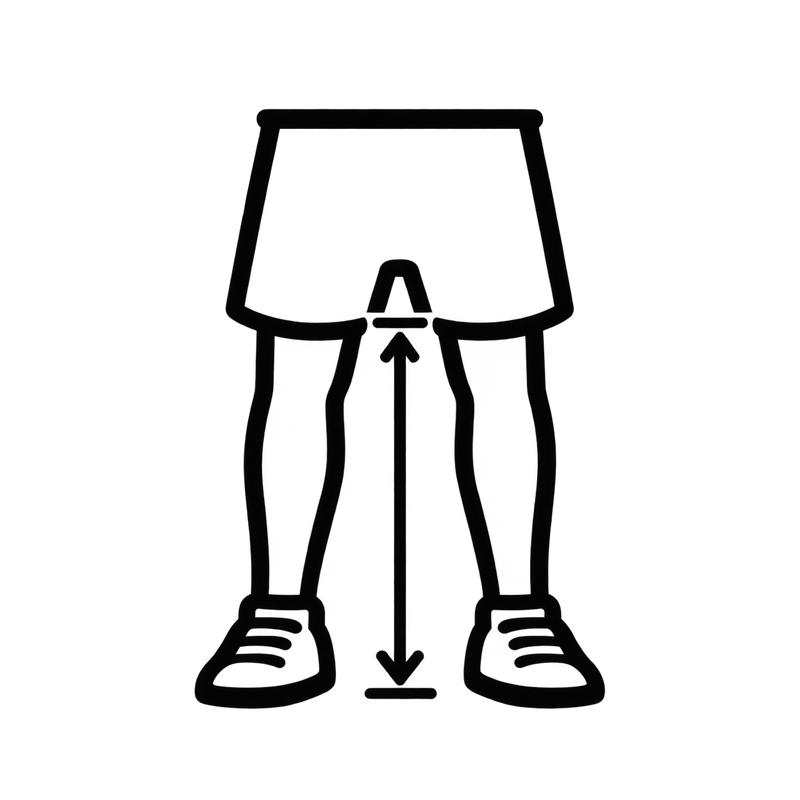
The right size comes down to one measurement: your child's inside leg. With the seat at its lowest, they should be able to sit and place both feet flat on the ground. Measure from the floor to the top of their inner thigh, with shoes on.

12"
12" balance bike
Inside leg (cm)30 – 46 cm
Inside leg (inches)11.8 – 18.1"
Approx. age18 months – 5 years
Weight2.95 kg
14"
14" balance bike
Inside leg (cm)40 – 53 cm
Inside leg (inches)15.7" - 20.8”
Approx. age3.5+ years
Weight4.18 kg

Balance Bikes vs Stabilisers

Stabilisers keep a bike upright, so children can learn to pedal without first having to balance on two wheels. Take them off and you're starting them from the beginning with a heavier bike which they will find harder to control. With a balance bike, balance and steering come first, before pedals are introduced. Balance bikes teach the hard part first, so pedalling then becomes second nature once they've mastered staying stable on two wheels.

Read the full comparison →

When to move on to a pedal bike

There's no fixed age but most children make the jump somewhere between four and six years, and how ready they are shows up in how they ride rather than how old they are.

Signs they're ready:
  • They glide with both feet up, confidently
  • They can start, stop and steer without thinking about it
  • They've started asking about pedals

The good news: children who've ridden a balance bike usually pick up pedalling in an afternoon. No stabilisers required, no long unlearning, just a bigger bike with pedals.

FAQS

Frequently asked questions

The balance bike we recommend

We built the AIRO around everything on this page. At 2.95kg for the 12" and 4.18kg for the 14" with brake, it's one of the lightest balance bikes available. Light enough for a child to pick up, right and carry entirely on their own. Air-filled tyres, a genuinely wide seat adjustment range, and a free lifetime warranty on the frame and forks when registered.

Shop the AIRO range →
Levitatingly Light

Starting at just 2.95kg

Free Lifetime Warranty

On the frame and forks

Award Winning

From Made for Mums and more

Trusted by Parents

Average rating of 4.9/5